
Industry News
And Suddenly, Shippers Have Choices
TweetMay 13, 2026
By:
Pietro N. Bianchi
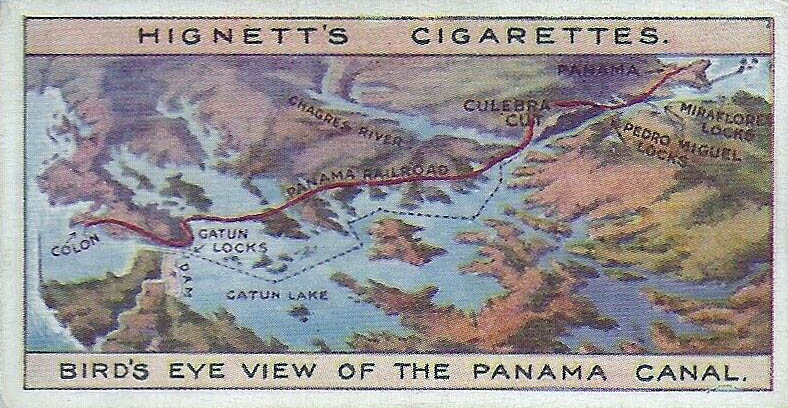
Everyone remembers how the West Coast ports backed up during COVID, making the Panama Canal much more important for goods moving from Asia to the Gulf Coast and U.S. Eastern Seaboard. That led to Panama Canal backups, which caused confusion and delay. The West Coast ports usually operate normally now, but the Panama Canal has backups because Panama has insufficient water for the canal. If it’s not one thing, it’s another.
Now Mexico may have a commercially viable alternative. Mexico’s Interoceanic Corridor of the Isthmus of Tehuantepec (CIIT) is reportedly on track to be fully operational by June 2026. The CIIT is described as a multimodal “dry canal.” It involves modern ports on the Pacific and Gulf coasts and three main rail lines. The rail journey reportedly takes nine hours to transit, which is on par with the time to transit the Panama Canal. Industrial parks are being developed along the rail lines to act as rest stops for manufacturing inputs. Some industrial parks are specialized, for example, in automotive manufacturing. Mexico is also building a pipeline and refineries parallel to the rail lines. This energy infrastructure is being built primarily to supply the needs of the industrial corridor and also for LNG exports.
Panama is stepping up to the challenge. Panama Canal Authority Deputy Administrator Ilya Espino de Marotta recently discussed on a Stimson Center Panel the developments planned for the Panama Canal. To bolster the canal’s traffic, Panama is building new ports and a coast-to-coast LPG pipeline. This pipeline, unlike that of the CIIT, is designed to divert LPG from boats to the pipeline for the crossing, freeing up the canal for other cargo.
Deputy Administrator Espino also discussed a plan to combat what she called the biggest challenge facing the Panama Canal - climate change. The fresh water used to operate the canal is also used to provide drinking water for the population. Droughts in 2023 led Panama to cut canal traffic to supply its population with sufficient drinking water. Panama is creating a new reservoir to, it is hoped, keep up with the fresh water needs of both the canal and its population. A sufficient water supply will simultaneously cut downtime at the locks and wait times entering the canal.
The result for shippers from Asia to the U.S. Gulf Coast and/or Eastern Seaboard is that there are now more operational choices than ever. With unique offerings at each interoceanic corridor, the best transit route for your shipment may come down to what you are trying to get from west to east. If you have any Customs & Trade issues do not hesitate to contact an attorney at Barnes, Richardson, & Colburn LLP.

