
Industry News
High-Priority Sectors Added to UFLPA Enforcement
TweetAug. 19, 2025
By:
Chaney A. Finn
The Department of Homeland Security added five sectors to the list of high-priority areas, indicating a higher risk of forced labor or state labor transfer of Uyghurs and other ethnic minorities from the Xinjiang Uyghur Autonomous Region (XUAR). Consequently, importers of merchandise related to these sectors can now expect additional review and enforcement when imported to the U.S.
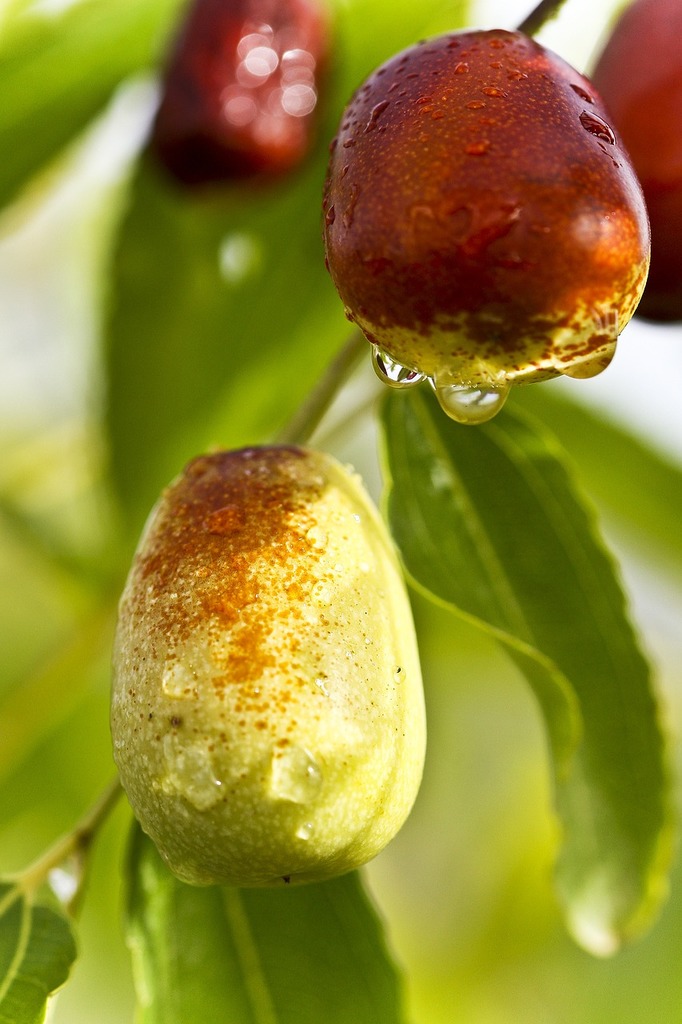
DHS’s Office of Strategy, Policy, and Plans specified Chinese steel, lithium, copper, caustic soda and jujubes as the high priority sector additions in its 2025 annual UFLPA (Uyghur Forced Labor Prevention Act) report to Congress. In addition to high-priority sectors, the annual report details, among other things, the UFLPA Entity List and the strategy of how the Forced Labor Enforcement Task Force implements UFLPA.
U.S. Customs and Congress have repeatedly demonstrated commitment in prioritizing forced labor enforcement and continuously expand compliance requirements. Since June 2022, over 16,000 shipments worth nearly $3.7 billion have been flagged and subject to further examination. The UFLPA Entity List, identifying companies linked to forced labor, has grown to 144 entities, an increase of 78 entities from last year. As action is taken on identified sectors, focus shifts to other sectors exploiting forced labor practices. Previous focus was on aluminum, PVC, and seafood.
The UFLPA was enacted on December 23, 2021, to prevent the importation into the U.S. of goods mined, produced, or manufactured wholly or in part with forced labor in China. Since June 21, 2022, imports to the U.S. containing any items from Xinjiang are presumed to have been made with forced labor under the UFLPA. Goods falling under this presumption are prohibited from entering the United States unless the importer can provide evidence that the goods in question were not produced with forced labor.
Importers of merchandise from high-priority designated sectors are to exercise increased due diligence with copious scrutiny that supply chains involving those products are free of forced labor. Importers of subject merchandise can expect delays at the port and additional costs due to CBP exams and should be prepared to provide evidence to CBP substantiating the claim that the merchandise is free of forced labor.
Unfortunately, the lack of supply chain visibility and transparency, along with a variety of other reasons, substantiating goods to not be subject to the UFLPA once detained by CBP is extremely difficult. Moreso, the majority of goods detained for forced labor suspicion do not come from China, adding to the complexity of the matter. Fortunately, the attorneys at Barnes, Richardson & Colburn are available to assist companies seeking to ensure their supply chains align with the UFLPA.

