Industry News
Low-Value Shipments Framework Outlined in CBP Proposed Rule
TweetOct. 13, 2026
By:
Chaney A. Finn
Following the demise of de minimis, U.S. Customs and Border Protection (CBP) issued a proposed rule Oct. 8 to establish a framework for low-value imports. The proposal would tighten informal entry filing deadlines, expand data requirements and formally establish Entry Type 13 for mail shipments. CBP will accept comments through Dec. 7.
Under the proposal, consignees who are not owners or purchasers would have to appoint a licensed customs broker to serve as importer of record for informal entries valued at $2,500 or less. However, the rule appears to exempt qualifying entries valued under $800 under 19 U.S.C. 1321. The same restrictions would apply to Entry Type 13, although owners, purchasers and licensed customs brokers could make entries themselves.
Importers would have to file Entry Type 11 and Entry Type 13 entries upon or before the date of importation. For mail shipments, CBP would apply the duty rate in effect when the filer completes entry preparation. The proposal also would require electronic filing for both entry types, eliminating the paper-filing option for Entry Type 11. Filers would also have to identify the final delivery party when that party differs from the ultimate consignee listed on the entry summary.
CBP would remove the $250 informal entry eligibility limit for products classified under subchapters III and IV of Chapter 99. This change would allow qualifying merchandise valued at $2,500 or less to enter informally even when additional tariffs apply under Section 301, Section 122, Section 338 or other authorities.
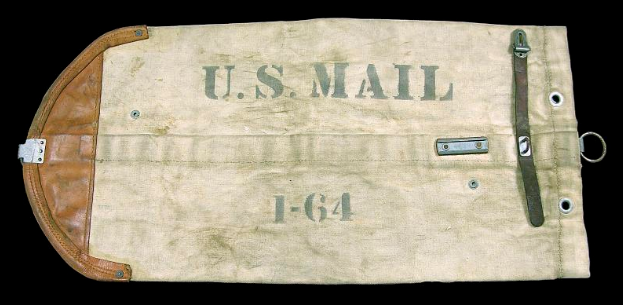
For Entry Type 13, importers or their brokers would have to provide the identity and address of the party that arranged the shipment. Mail shipments valued at $2,500 or less would also require a tracking number matching the number supplied by the party authorized to make entry.
To limit storage costs, CBP would deem mail articles voluntarily abandoned if filers fail to submit an entry within 15 days. The U.S. Postal Service could then destroy the shipment or return it to the sender under its procedures.
Finally, CBP would require importers to transmit a single-transaction or continuous bond before releasing informal shipments from its custody. Bond defaults could trigger liquidated damages equal to the greater of the merchandise's value or $1,000. For restricted or prohibited goods and alcoholic beverages, damages could reach three times the merchandise's value or $1,000, whichever amount is greater.
Should you have any questions regarding import documentation, low-value shipments, or any trade-related questions, do not hesitate to contact any attorney at Barnes, Richardson & Colburn, LLP.

