
Industry News
Polysilicon Tariff Minimums Imposed under Section 232
TweetAug. 10, 2026
By:
Chaney A. Finn
It may come as no surprise to our regular readers who are aware of the ongoing focus on domestic semiconductor manufacturing, but there is a new development pertaining to the solar energy industry. Following an investigation regarding national security where the Commerce Department concluded imports had significantly weakened U.S. manufacturing capacity, President Trump has invoked Section 232 of the Trade Expansion Act to impose a 15% tariff and minimum import prices on polysilicon products and their derivatives (outlined in Annex I and Annex II), presuming that stronger domestic production is essential for U.S. semiconductor and solar supply chains. As written, producers may benefit from minimum import prices (MIP) for polysilicon and polysilicon derivatives to create a protected domestic market that allows United States producers to compete free from global distortions effective on Dec. 4, 2026.
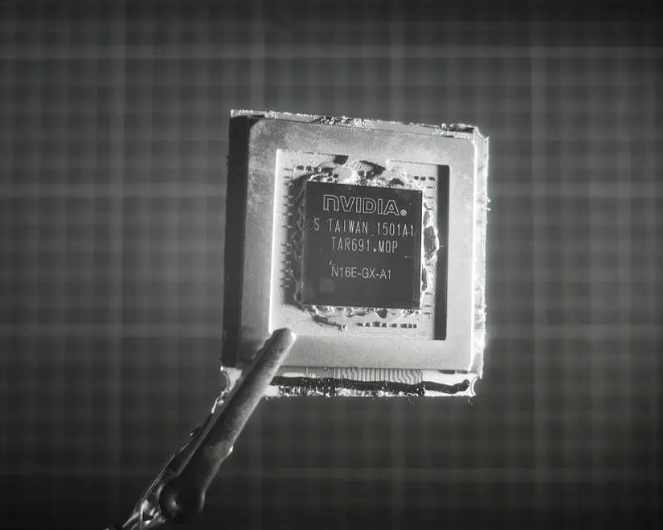
As way of background, polysilicon is used primarily as the foundational raw material for solar photovoltaic (PV) cells and semiconductor microelectronics. The investigation found there was a sharp decline in U.S. polysilicon production from roughly 50% of global capacity in 2005 to less than 2% in 2024. The administration also highlighted the growing dependence on imported solar ingots, wafers, and cells, warning that the lack of domestic solar-grade polysilicon production threatens the long-term viability of the broader industry, including semiconductor-grade materials.
The proclamation establishes minimum import prices for polysilicon, ingots and wafers, solar cells, and solar modules. Importers must certify compliance with those prices or pay the difference in addition to the tariff. The president set the initial minimum prices as follows:
(i) $21 per kilogram for polysilicon;
(ii) $100 per kilogram for polysilicon ingots and wafers;
(iii) $0.22 per watt for solar cells; and
(iv) $0.38 per watt for solar modules.
Commerce may adjust the price threshold as market conditions change. In addition, failure to sufficiently document that the minimum price is met will result in a tariff being assessed to raise the price of the good to the minimum price.
The proclamation also imposes a 15% duty on imports of polysilicon derivatives. Trade agreements cap total tariffs at 15% for several partners, including the European Union, Japan, South Korea, and Taiwan. This cap represents the combination of the MFN tariff plus these 232 tariffs. In addition, imports from the United Kingdom face a 10% ceiling, although the MFN duty will be added to the U.K. 10%.
The policy also creates incentives for companies that commit to building or expanding U.S. production facilities. Approved onshoring plans can qualify for temporary tariff waivers on selected imports needed during construction.
Should you have any questions about semiconductors, supply chain management, or any other trade-related question, do not hesitate to contact any attorney at Barnes, Richardson & Colburn, LLP.

